
Pizza By Style
Pizza has no clear originator. People have been putting toppings on bread since time immemorial. But most modern pizza descends from two Italian traditions: the thin, round pizzas of Naples and the thicker, pan-baked pizzas of Sicily.
The Neapolitan tradition gives us the thin pizza family: round pies, direct heat, crisp-to-soft crusts, and a careful balance of dough, sauce, cheese, and bake. In New York, Neapolitan pizza evolved into the coal-fired New York-Neapolitan style and eventually into the classic New York slice. Many American regional styles and today’s modern slice shops are all, in different ways, descendants of this Naples-centered tradition.
The Sicilian tradition originated with sfincione, the thick, spongy bread-pizza of Palermo. Sfincione’s roots predate tomato, introduced to Italian cooking from the New World, as a defining pizza ingredient. It began closer to seasoned bread, built around dough, oil, onions, anchovies, cheese, and breadcrumbs before tomato became central. In America, where cheese was more abundant, this tradition evolved into the American “Sicilian” slice.
This is the thick pizza family: breadier, oilier, often square or rectangular, with more emphasis on crumb, fermentation, structure, and the contrast between a crisp bottom and a soft interior. Sicilian, grandma, tomato pie, bakery pizza, and Detroit-style pizza all sit broadly in the Sicilian tradition.
This split is far from perfect. Great pizzas borrow across traditions. But I think it is a useful starting point.
Thin (Naples)
Round pies, thin crusts, and char-forward traditions in the Neapolitan line.
178 entries
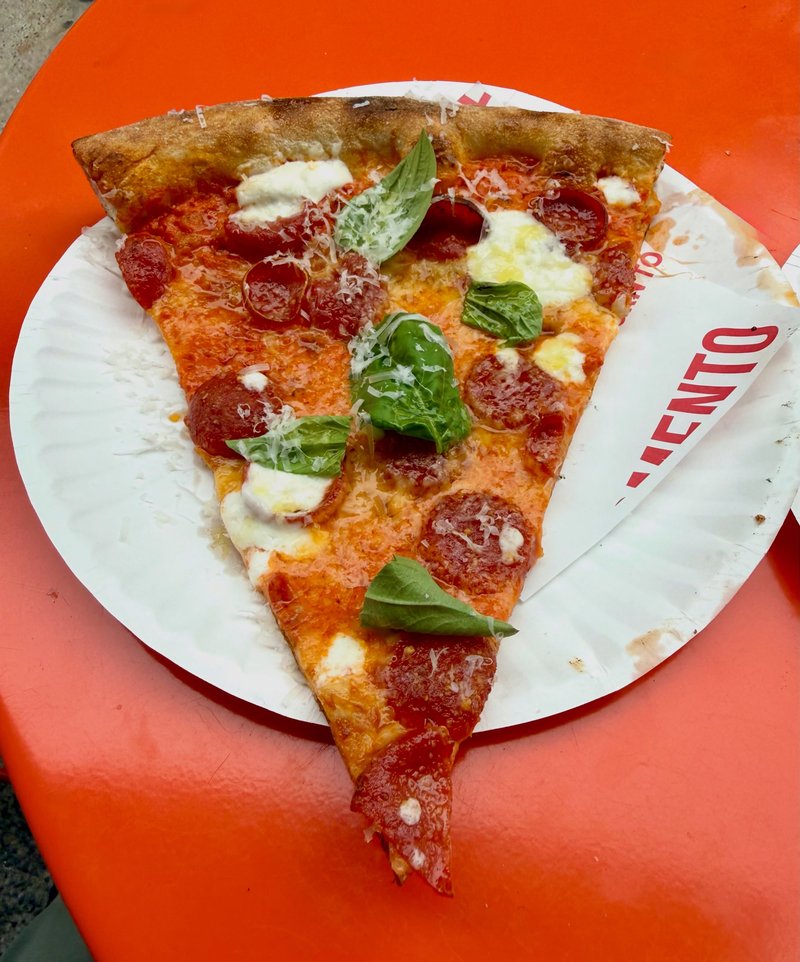
New York
Thin, foldable slices with a crisp underside, chewy crust, and low-moisture mozzarella.
47 entries
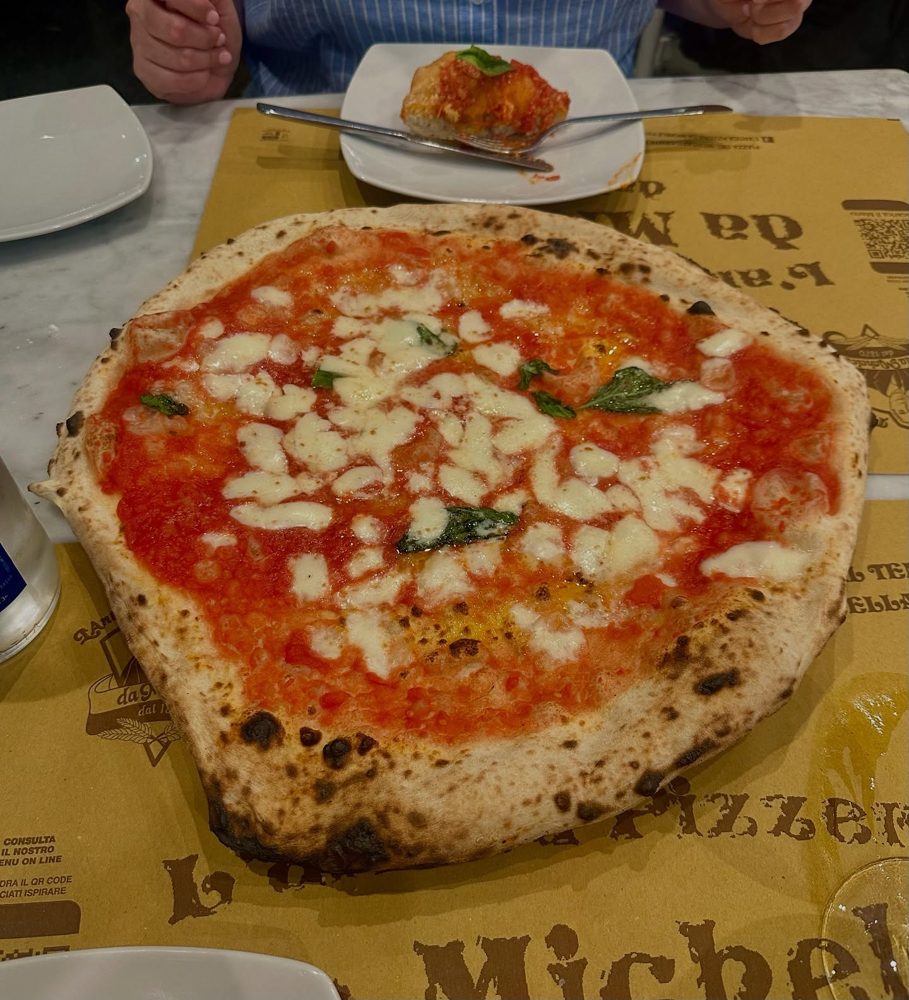
Neapolitan
Soft, airy, lightly charred pies baked quickly at very high heat, traditionally in a wood-fired oven.
63 entries
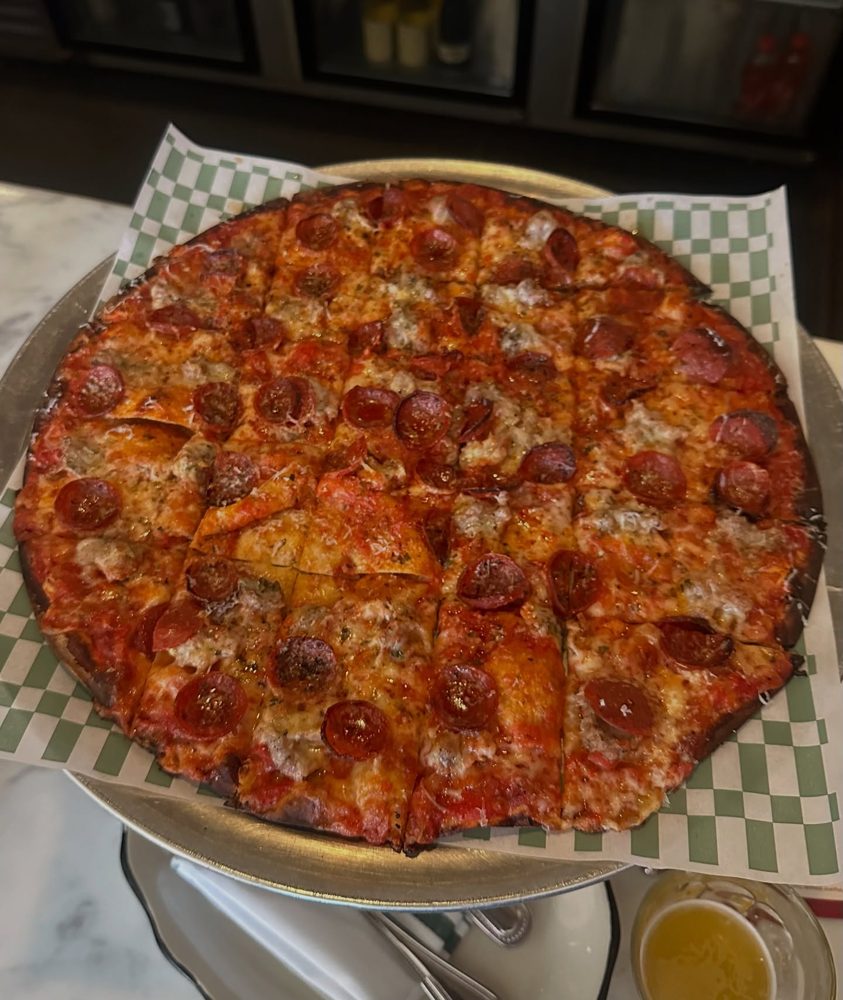
Tavern
Very thin, crisp, square-cut Midwestern pizza built for sharing over a cold beverage.
17 entries
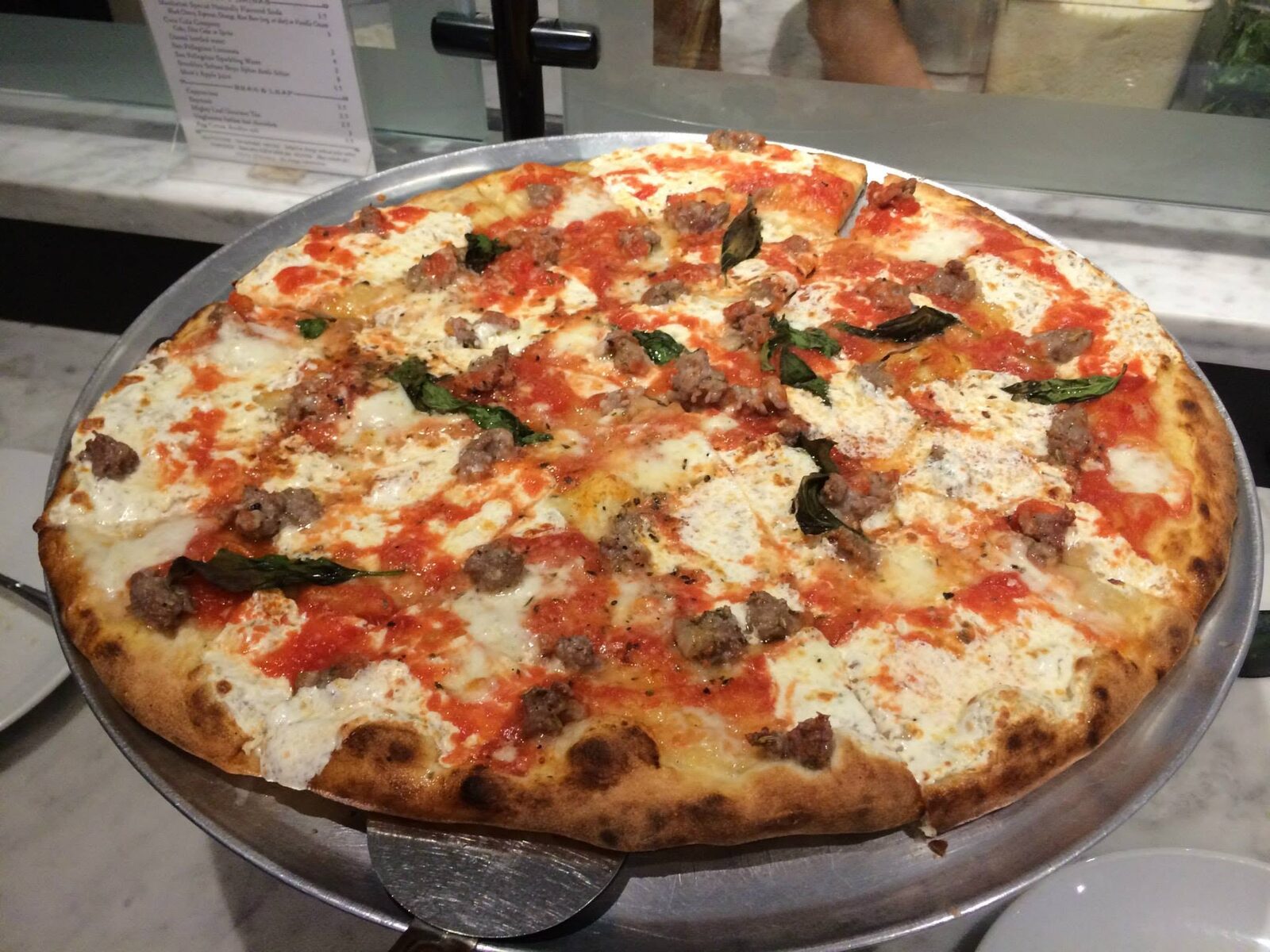
Coal Fired
One of America’s earliest distinct pizza traditions, midway between Neapolitan and New York style. Thin and chewy, with blistering and dry char from the intense heat.
5 entries
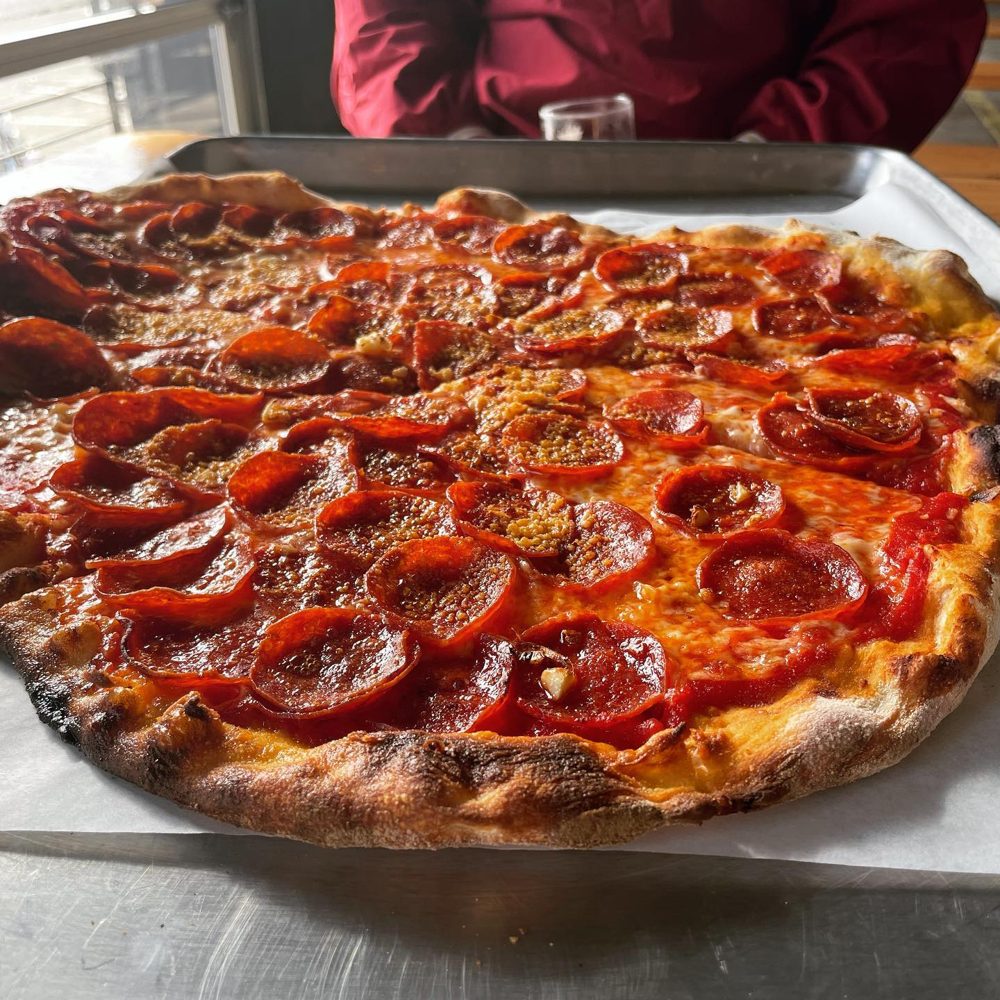
New Haven
Thin, irregularly shaped “apizza” with pronounced char, restrained cheese, and a long association with coal-fired ovens.
3 entries
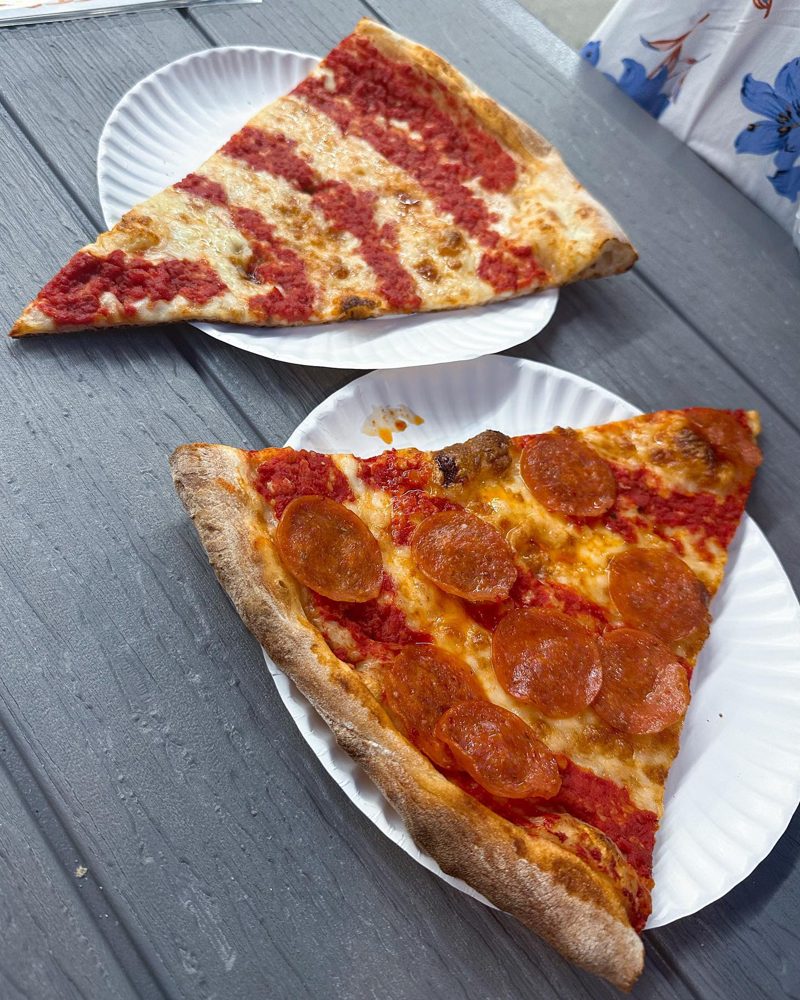
Trenton Tomato Pie
Thin New Jersey pizza with cheese beneath the tomato, keeping the sauce front and center.
2 entries
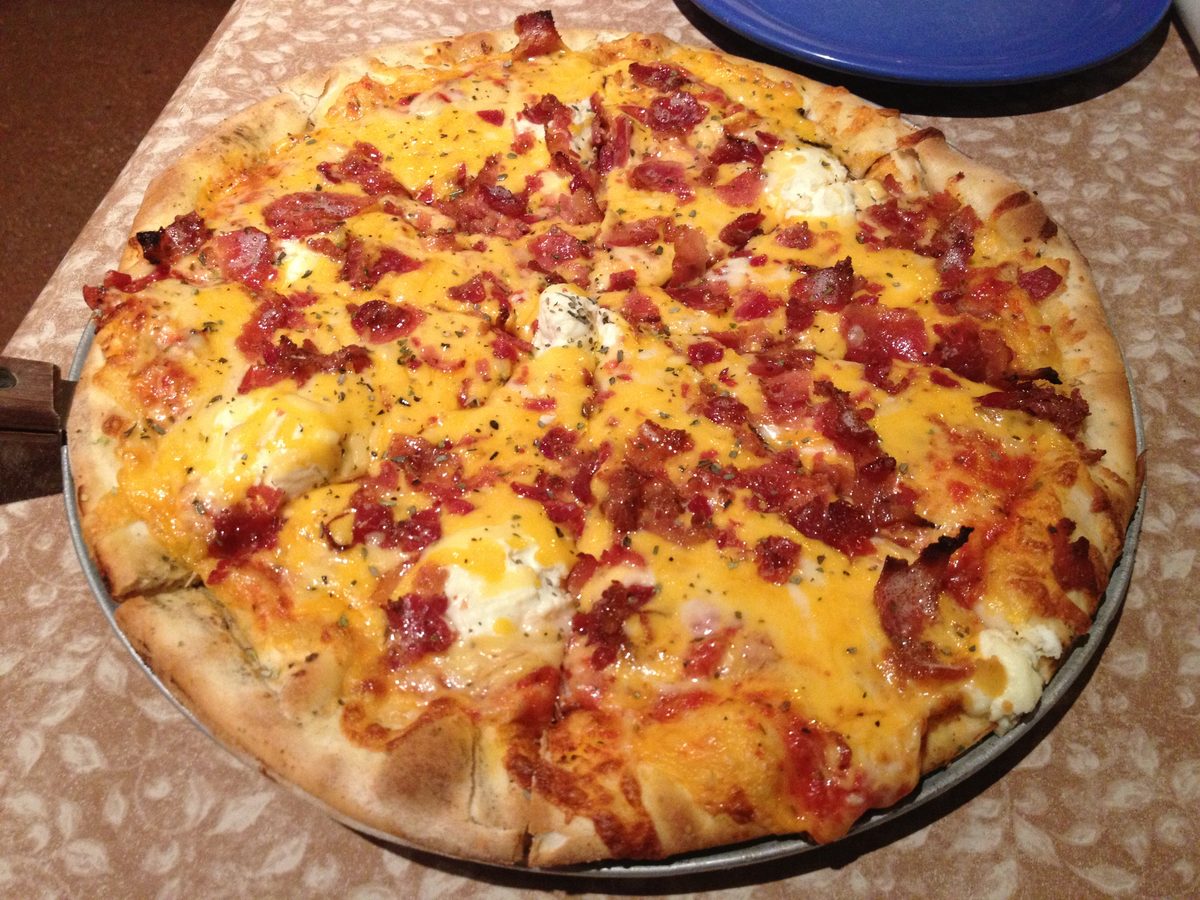
Indianapolis
Thin-crust pizza loaded with toppings and often finished with cheddar—arguably an abomination.
Thick (Sicily)
Square, pan-baked, and thicker crust traditions in the Sicilian line.
52 entries
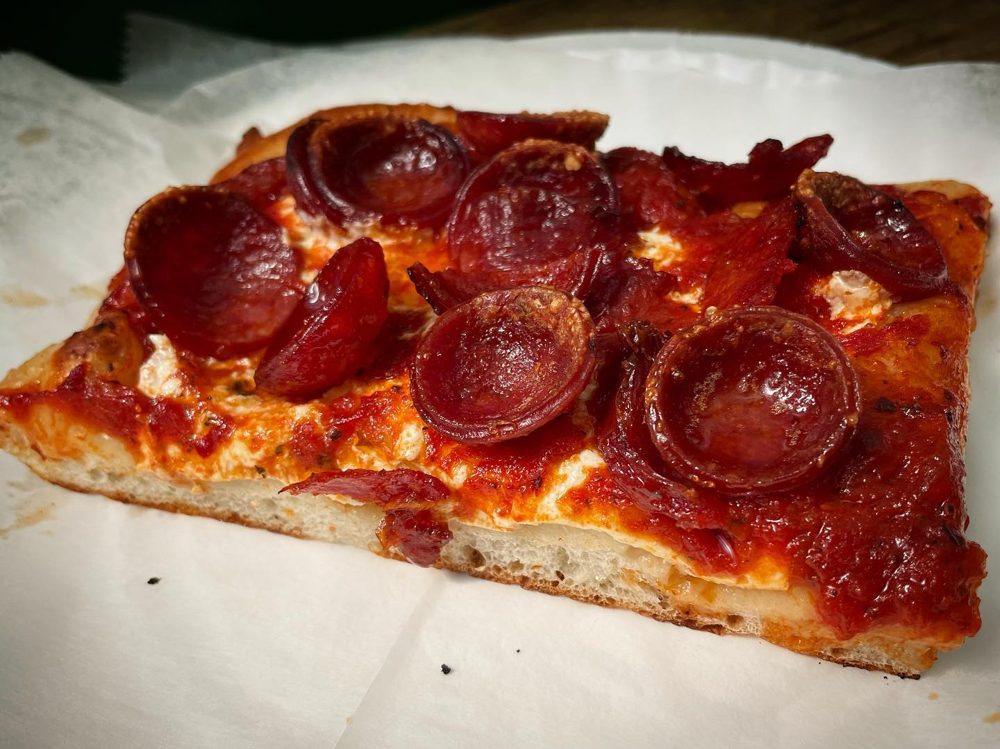
Sicilian / Square
Thick, pan-baked pizza with an airy crumb and crisp, oil-browned base.
18 entries
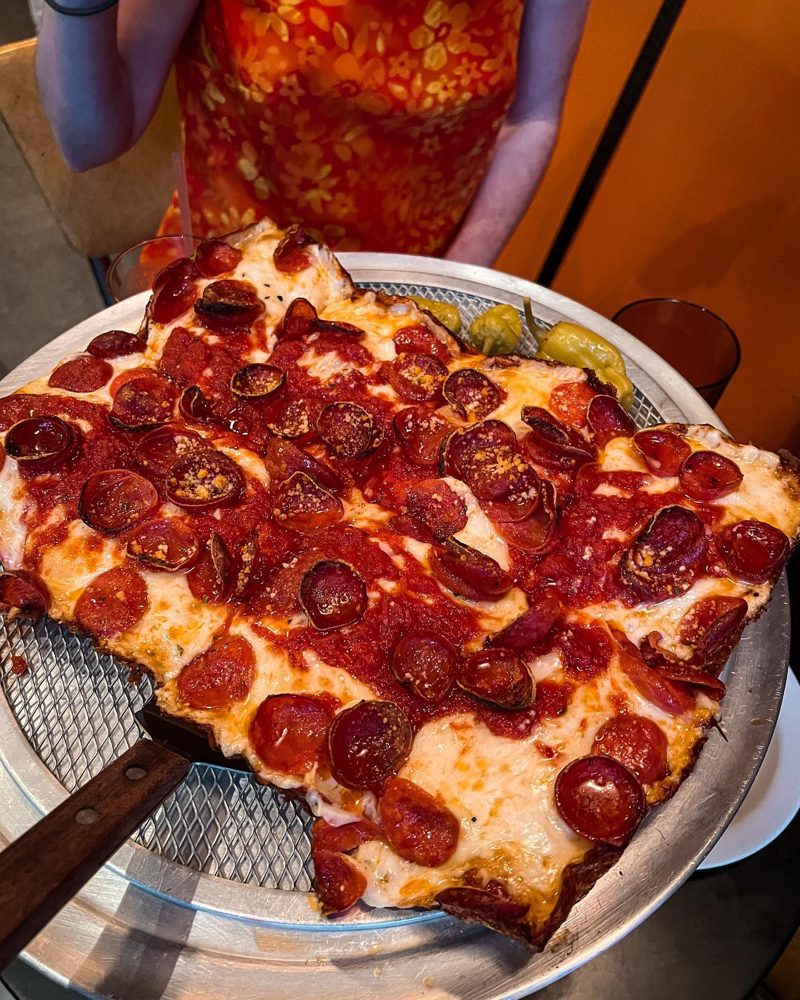
Detroit
Rectangular pan pizza with a chewy crumb and dark, caramelized cheese edges.
19 entries
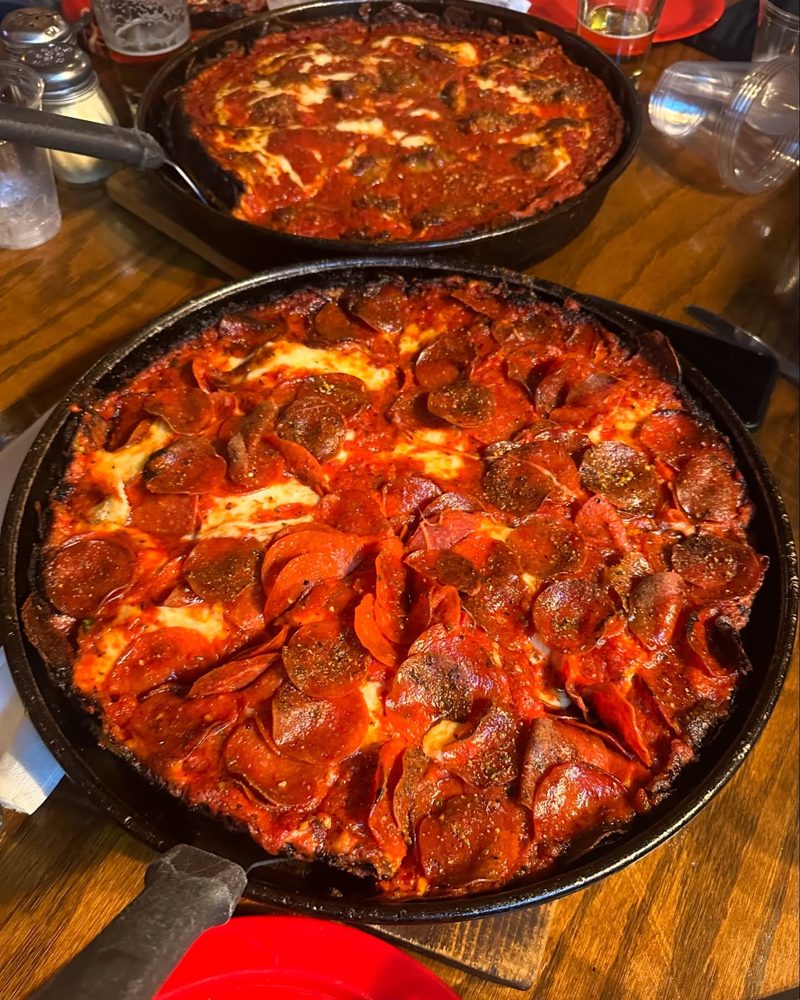
Deep Dish
A high-sided Chicago pie layered with cheese, toppings, and tomato sauce.
13 entries
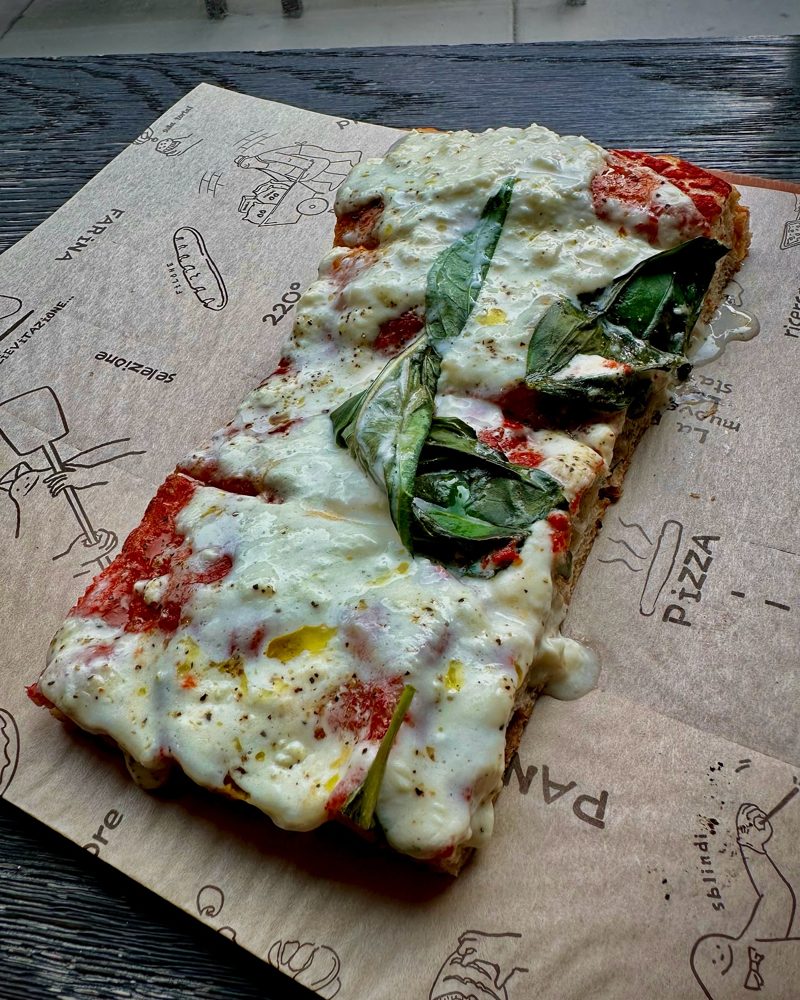
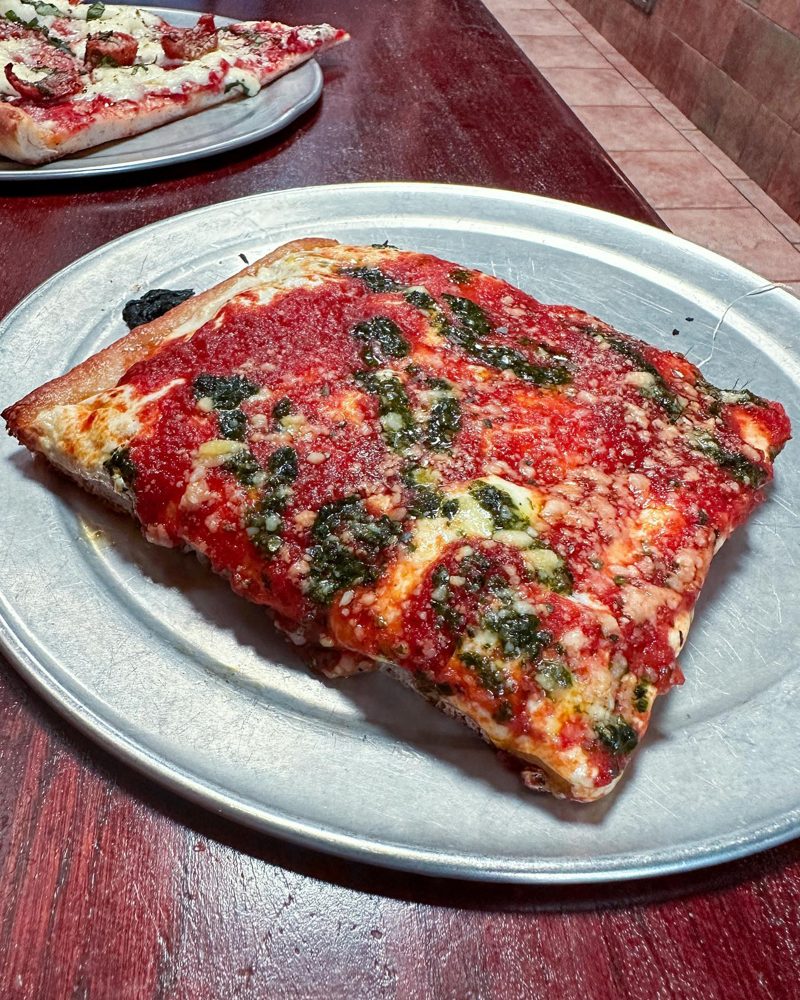
Roman / Al Taglio
Light, crisp, tray-baked pizza sold by the cut or by weight.
11 entries
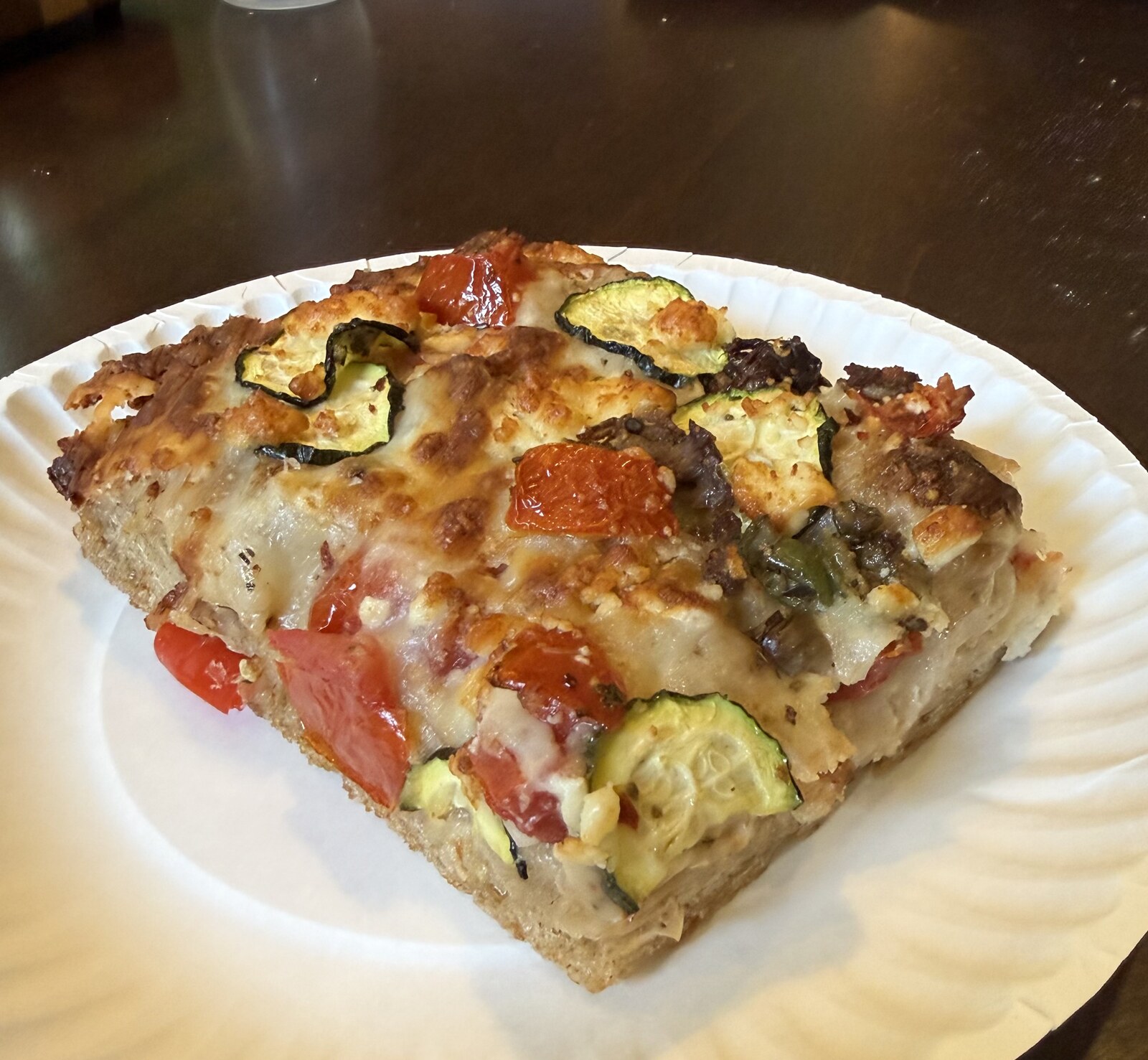
Grandma
Thin sheet-pan pizza with a compact crumb and crisp, olive-oil-fried bottom.
10 entries
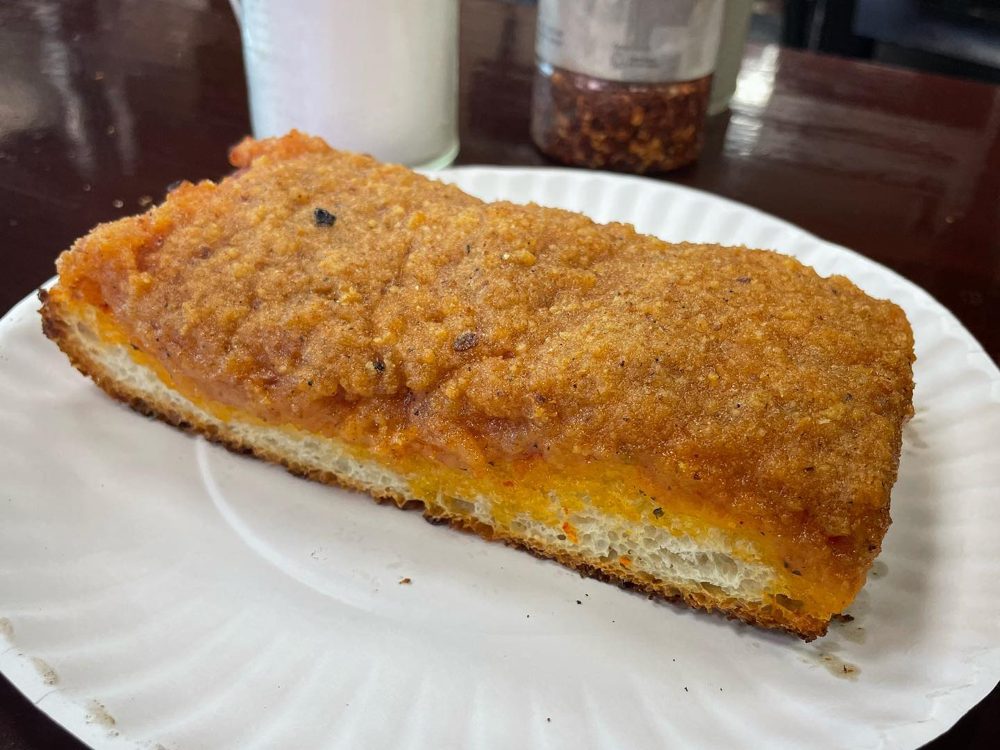
Bakery / Focaccia
Bread-first pizza with an airy interior, deeply browned base, and restrained toppings.
3 entries
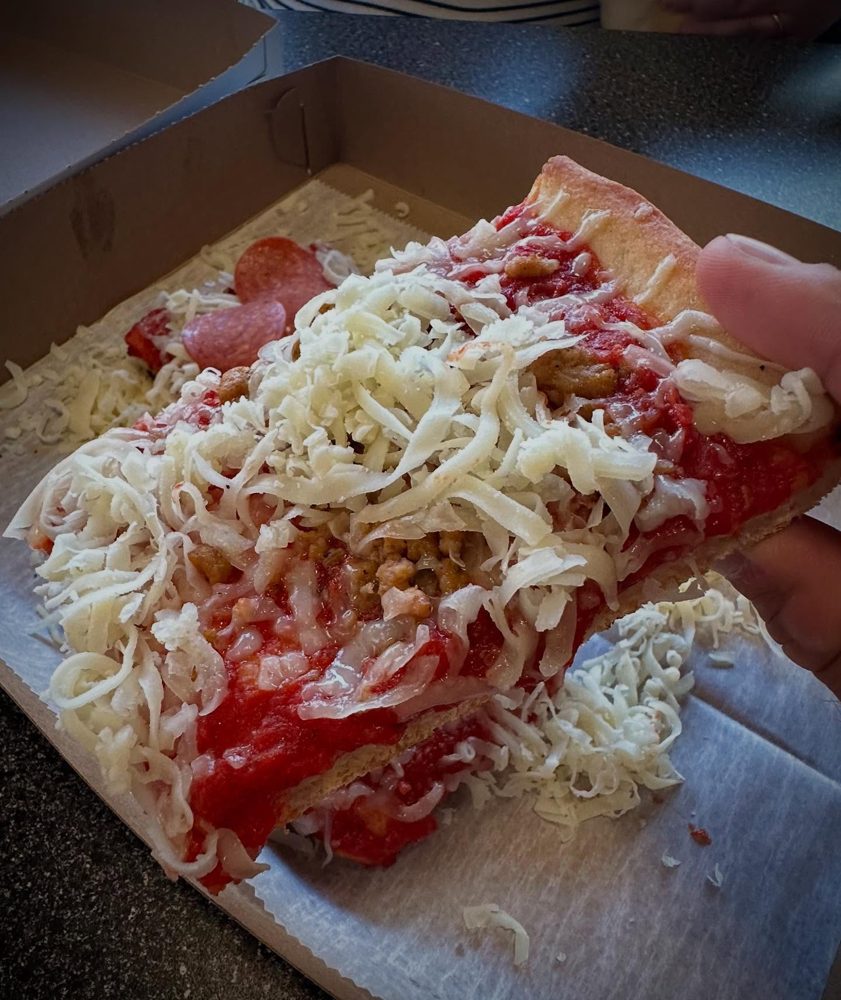
Sfincione
Palermo’s soft, breadlike pizza, traditionally topped with tomato, onion, and breadcrumbs.
2 entries
Ohio Valley
Baked crust and sauce finished with cold shredded cheese and toppings.
1 entry
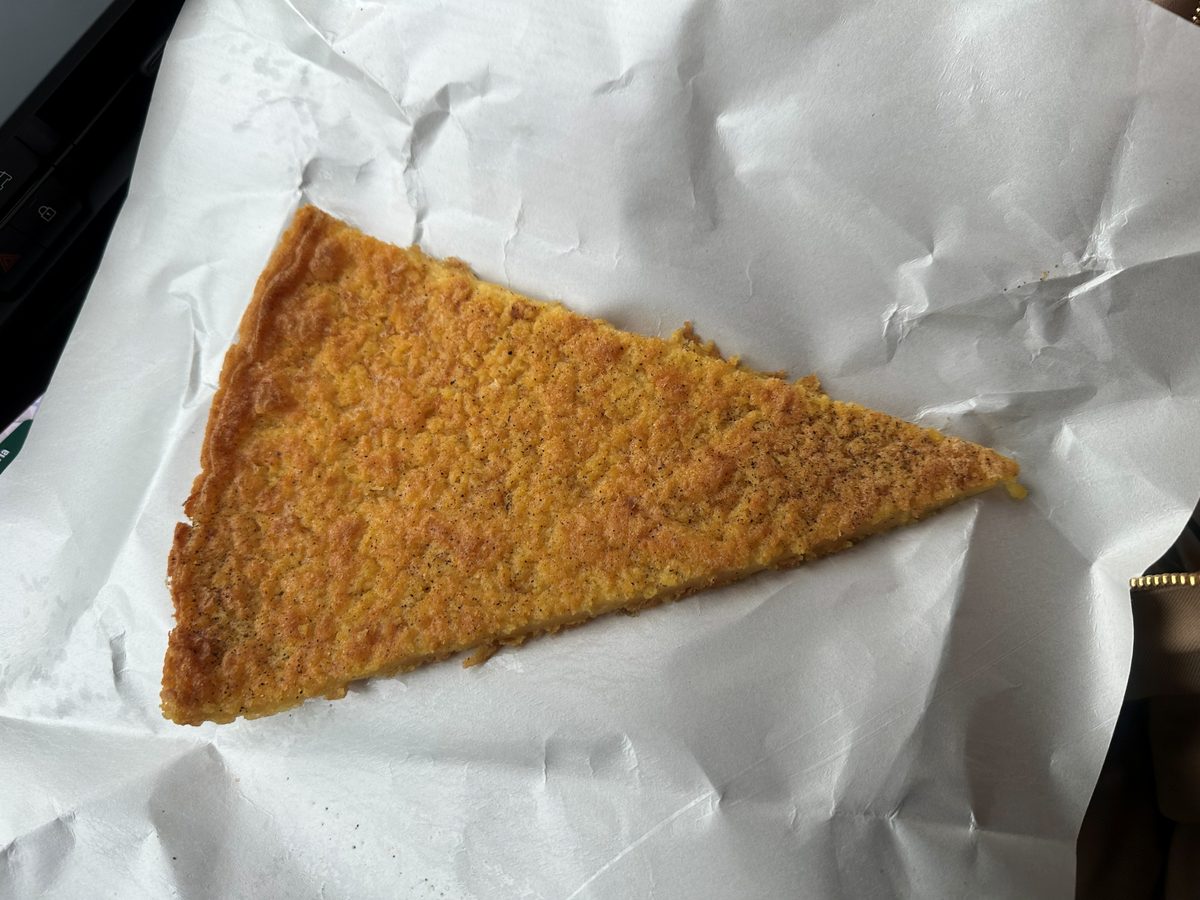
Cecina
Chickpea flour batter baked thin and sold by the wedge, the Tuscan cousin of farinata.
1 entry
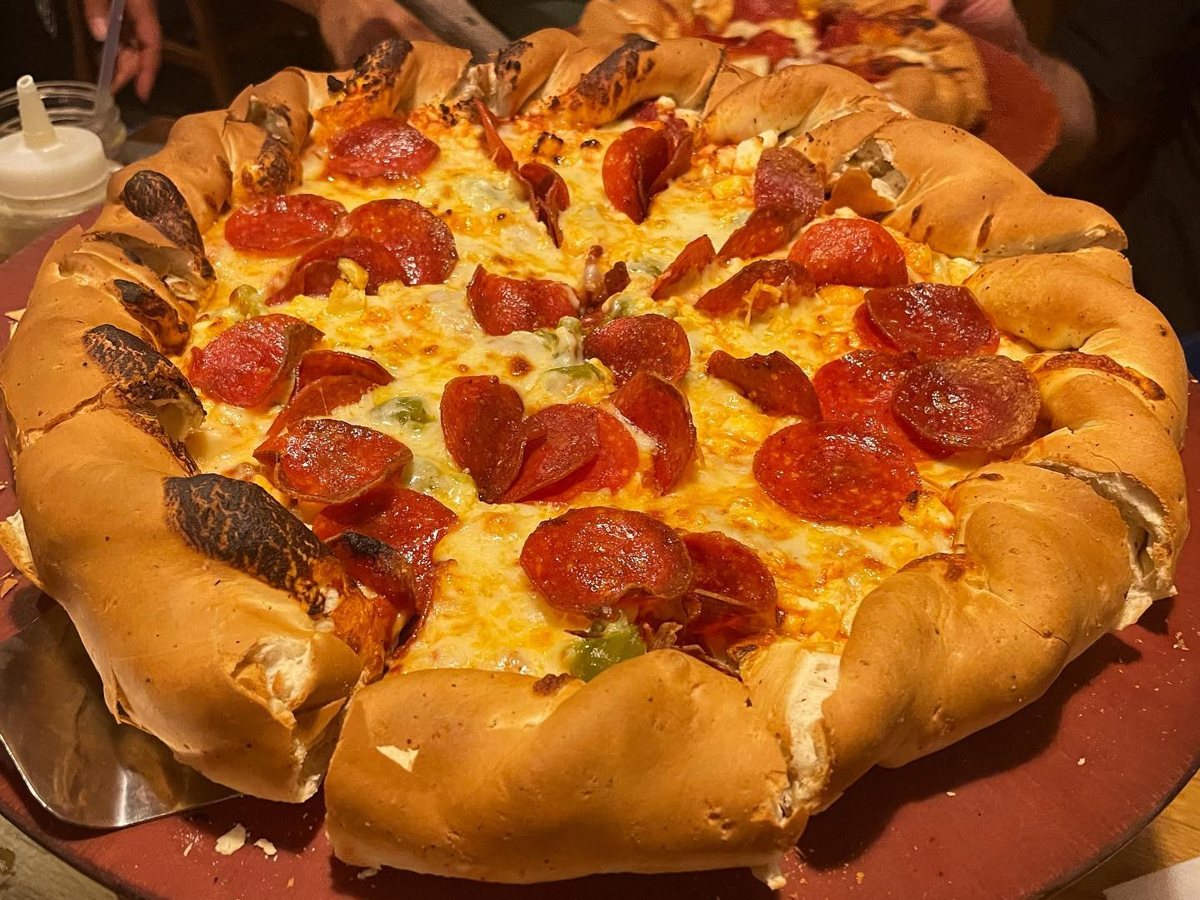
Colorado Mountain Pie
A thick Colorado pie with a large rolled crust commonly eaten with honey.
1 entry
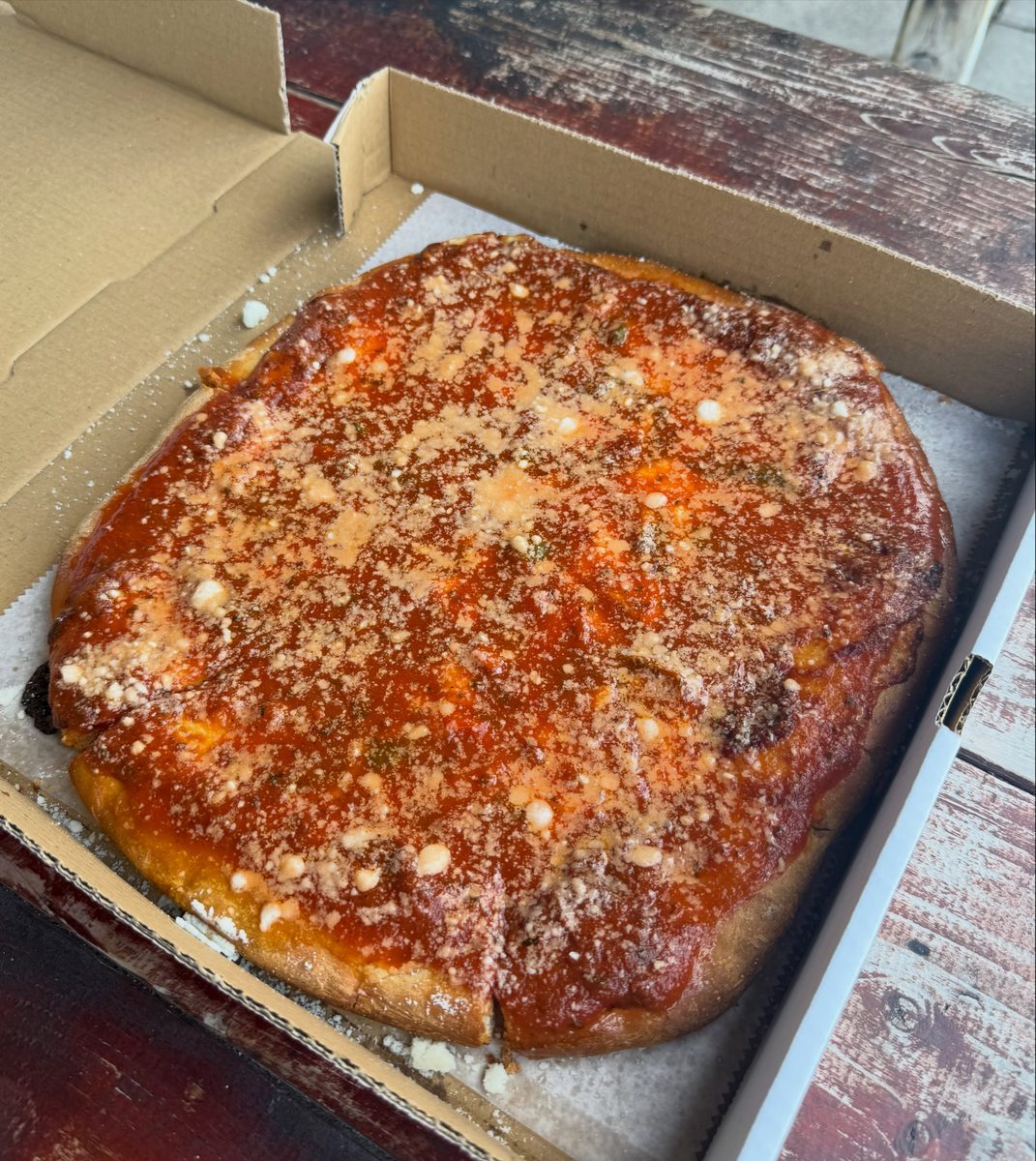
Utica Upside-Down
An old Italian-American regional style rooted in Utica’s early tomato-pie tradition.
1 entry
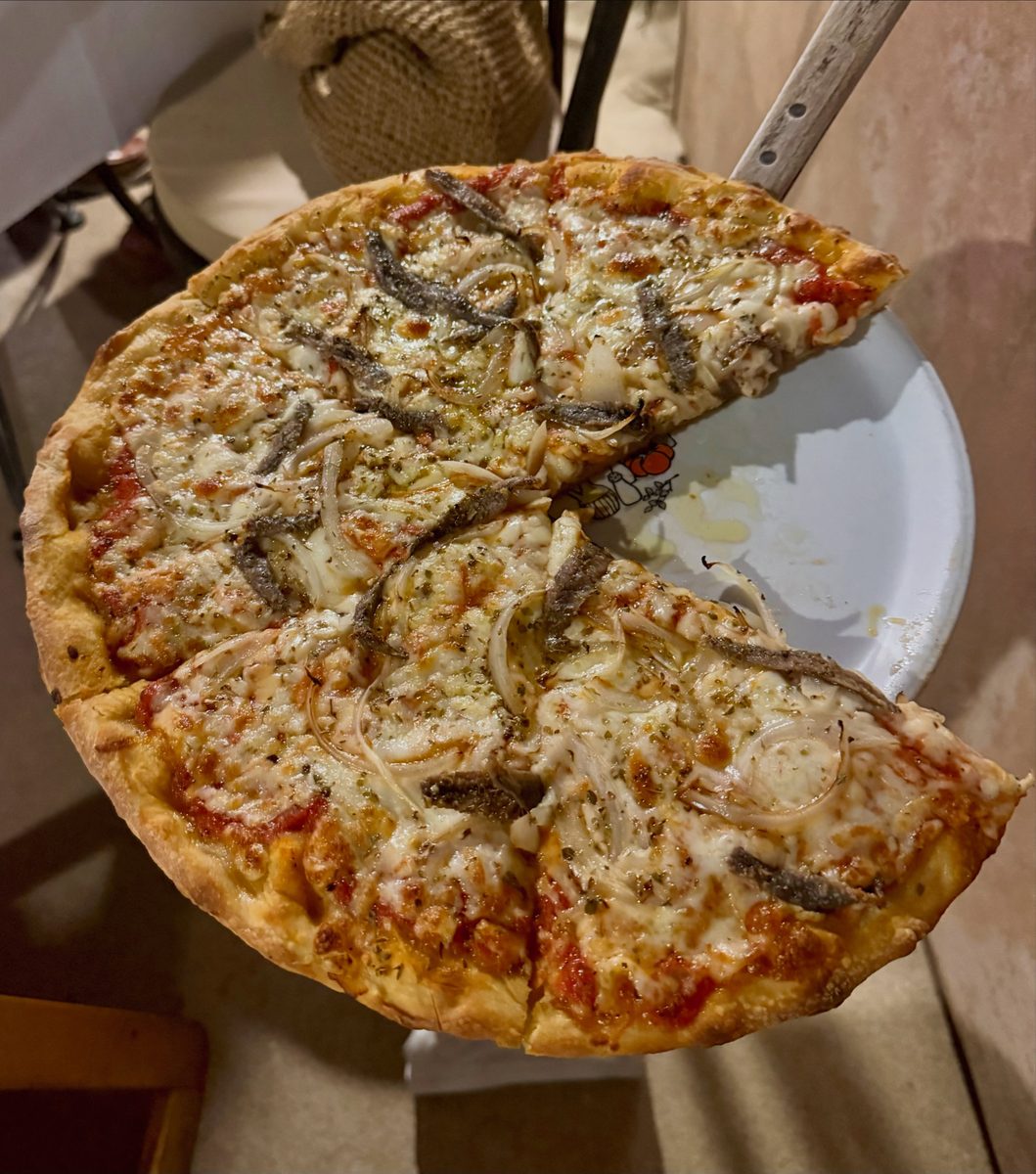
Rianata
A traditional pizza from Trapani, on the western coast of Sicily, and a relative of Palermo’s sfincione.